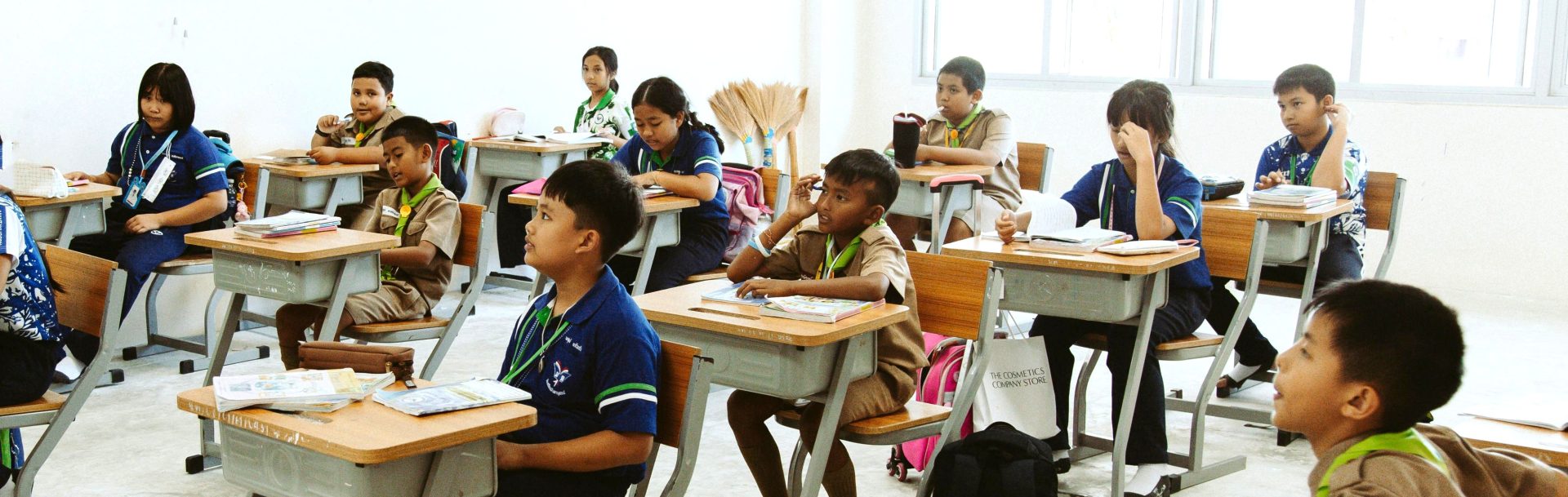
Every student has either experienced, or will experience, the death of someone they love. Yet educators rarely receive training on how to create supportive classrooms for grieving kids. As a result, many of these children are isolated, teased, or even bullied at school. As educators, who can be powerful role models for students, we have an opportunity to create kinder, safer environments while building empathy.
Why kids bully grieving kids
First, it’s important to recognize that a grieving child is riding a roller coaster of emotions. Grief doesn’t appear in only one way. Kids are often holding many feelings at once: sadness, anger, frustration, anxiety, and more. For children especially, these emotions can surface quickly and without warning.
As a teacher and grief specialist, the most important thing I’ve learned is that grieving kids experience pain just as deeply as adults do. However, they often express it in ways their peers don’t understand. Their feelings can be spontaneous and intense, and when they share them with classmates, it can make them an easy target for bullying because their grief is so vulnerable and visible.
A grieving child may cry frequently or appear withdrawn, especially when the loss is recent. They may be judged as weak for this. On the other hand, children who have been grieving for a longer time may seem more mature than their peers. They are often more emotionally aware and open about what they are feeling.
While not all grieving kids respond the same way, many share one common experience: feeling lost and misunderstood.
How to prevent bullying in your classroom
One of the most effective ways educators can prevent bullying is by creating space in the classroom to talk openly about death and loss. Whenever I bring up grief and compassion in class, it leads to meaningful conversations. Even one small action—listening, acknowledging, or using gentle words—can make a student feel safe and seen.
Talking openly helps normalize grief and remove stigma. It also encourages students to consider that someone in their classroom may have experienced a loss they don’t know about, which can lead to more empathy and kindness.
Educators can also teach students gentle ways to respond when they notice a peer struggling. Simple phrases like, “I see you’re sad. Is there anything I can help you with?” can make a huge difference. If the grieving child doesn’t want to talk, students can say, “That’s okay. I just want you to know I’m here for you.”
These moments matter.
Address teasing immediately
Another important step is addressing jokes or offensive comments about death as soon as they happen. When I hear something like this, I stop it immediately and open a conversation about why death and loss are not things to make fun of. I may also pull the student aside to explain the impact of their words and teach them a little about grief.
It’s important to mention that some grieving kids use humor with their friends as part of coping. But this only works when there is comfort and consent. Peers should never joke about someone’s loss without permission.
Be mindful of your own language
Expressions like “I’ll die if I get a bad grade” are common, but we still need to be mindful of how language may affect others. This awareness should extend beyond the classroom to hallways, playgrounds, and anywhere students interact.
We should also be thoughtful about phrases like “tell your mom or dad” or “ask your parents.” These words can unintentionally cause pain for children who have lost a parent or whose family structure is different. I try to use the word “caregiver” instead because it is more inclusive and respectful.
There’s no doubt that teachers already have a lot on their hands. Creating a classroom environment that truly supports grieving kids can feel like another challenge. But even something as simple as listening to a grieving child, acknowledging their feelings, or making sure they feel safe goes a long way. When we do that, we create a space where every student knows they will be seen, valued, and supported—and teachers can feel confident that they are making a real difference every day.

Dr. Héctor L. E. Olivencia Huertas is a Licensed Clinical Psychologist from Puerto Rico. He began with Experience Camps in 2022 as a staff member and is now a Grief Specialist at Experience Camps in Georgia. Having transitioned from teaching in a school setting to his private practice, he brings a deep understanding of children, grief, and education to his work. He loves supporting teachers and caregivers with practical tools and compassionate guidance. Connect with him on Instagram @dr.h_pr, LinkedIn: Hector L. E. Olivencia, or Facebook: Dr. Héctor L. E. Olivencia Huertas.
