
Almost exactly a year ago, I started a job at Experience Camps. I was hired as a Social Media Associate with years of professional social media experience under my belt and a terrible case of imposter syndrome, both professionally and personally.
Not only did I inherit a small social media kingdom, but I’d also started a job at a grief organization without ever personally experiencing the death of a person close to me. If we’re being honest, I had absolutely no idea how to support a grieving person. I was constantly worried someone would see one of my posts, Google me, decide I was the wrong online spokesperson for the organization, and demand my resignation.
For months, I played it safe by posting statistics, tips, and quotes and not fully owning my creative role. Unbeknownst to me, I was doing the very thing we at Experience Camps encourage people not to do: avoiding talking about grief and talking about it on a surface level.
Going to camp changed everything
But then I went to camp, and it was exactly what I needed. I walked in, utterly convinced the kids and volunteers would shun me. To my surprise, they welcomed me with open arms and thanked me for the social media posts I’d made despite months of convincing myself I was an imposter intruding on a sacred space.
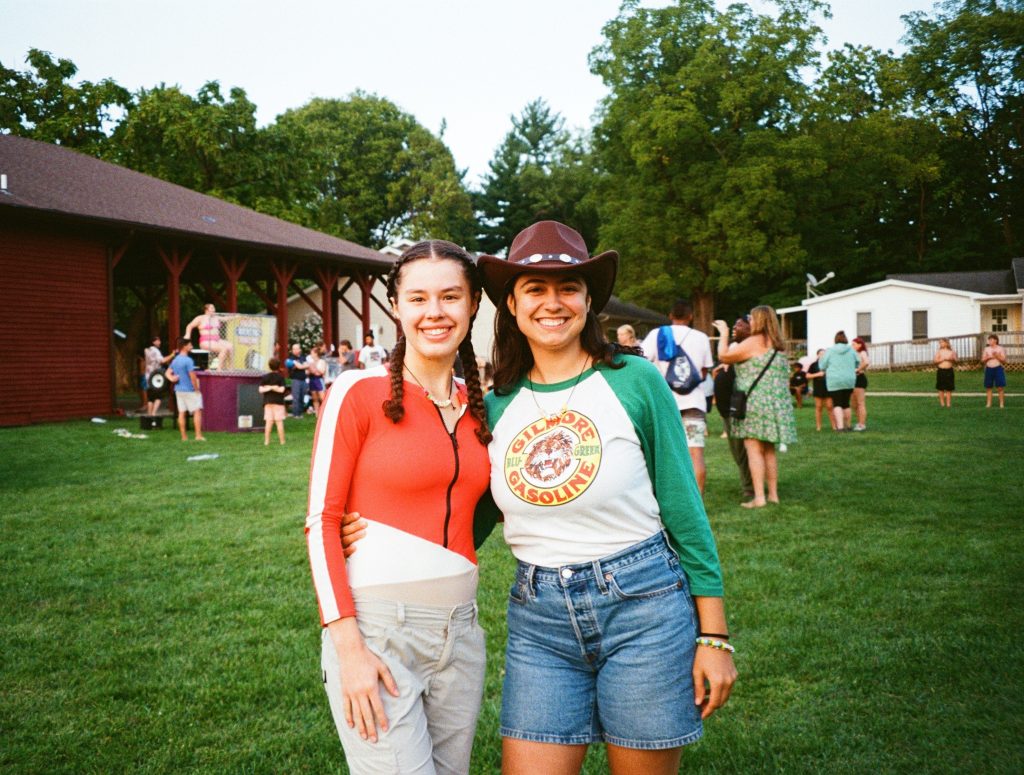
Being welcomed by campers with their open hearts helped me lose my fear.
At every turn, campers and volunteers bombarded me with a series of excited questions. “Hey, TikTok lady, can you interview me? I want to talk about my dad,” “This video made me laugh so hard,” “Hey, internet lady, can we do the trauma dump candy salad trend?” Best of all, “This is the video I saw that got me to camp.”
Camp allowed me to witness firsthand how hungry these kids are to be heard. They want and need people to ask questions. They often walk through the halls of their schools thinking to themselves, “Not a single person I’m looking at knows my dad is dead.” They’re often bursting at the seams just to say their person’s name out loud.
Playing it safe wouldn’t work
At camp, I understood the ramifications of “playing it safe.” By avoiding getting in front of the camera or making an “edgier” post for fear of hurting someone’s feelings, I was one of the people who denied kids the opportunity to see themselves and their stories reflected in our content.
I finally understood that there was never a “right” thing to say, but there was definitely a “wrong” thing to do—and that was doing nothing.
Because of our discomfort and fear, adults accidentally shy away from taking an interest in grieving kids’ feelings and their person who died. We treat them with kid gloves and deny them the respect they deserve.
Our kids are brave, resilient, and fully capable of telling their stories. By doing so, they’re changing the culture surrounding grief. They’re singlehandedly teaching millions of people (yes, millions, on social media) that avoiding real conversations about grief isn’t the answer–talking to them and openly supporting them is. All you need to do is ask, give them the microphone, sit back, and listen.
Lauren Fernandez, Social Media Associate, joins our team with a lifetime of experience being chronically online and upwards of three years of professional experience managing and creating social media content. Her superpower is connecting with people, and she now helps build external partnerships with influencers to bring awareness to our mission. In her spare time, you’ll often find her baking her way through a cookbook or working on a New York Times crossword puzzle.
